The evolution of processors unfolds as a strategic arc from transistor breakthroughs to multi-core, AI-accelerated systems. Each era reshapes architecture, integration, and power discipline, pushing throughput through smarter pipelines, caches, and interconnects. As accelerators enter compact footprints, power-aware design reframes what performance means in practice. The story anchors on memory bandwidth and realistic gains, not hype, inviting a closer look at how modern chips balance core, IPC, and energy. The next shift may hinge on the unseen tradeoffs behind every watt.
How Processors Evolved: A Foundational Timeline
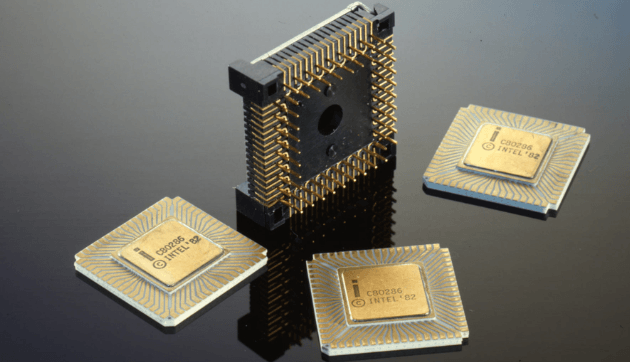
From a broad historical arc to a precise engineering discipline, the evolution of processors unfolds as a sequence of transformative milestones that redefine computational capability. This timeline documents processor history shaped by transistor milestones, revealing how scaling, integration, and specialized accelerators reframe performance.
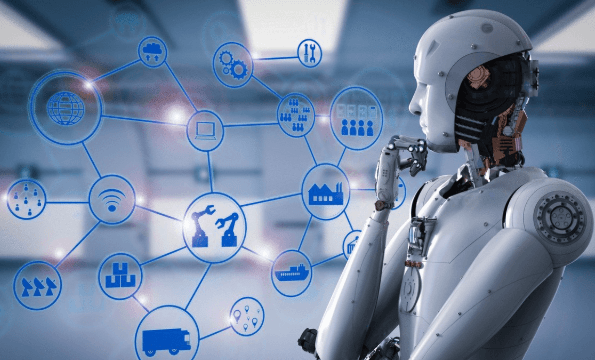
Artificial intelligence accelerators accelerate insight, while power efficiency guides sustainable progress across architectures and eras, enabling freer, more capable computation.
What Makes Modern Chips Tick: Architecture, Cores, and IPC
What makes modern chips tick are the architectural choices, the constellation of cores, and the instruction flow that binds them—tactors that determine performance, efficiency, and programmability. This view analyzes processors architecture as a dynamic balance between parallelism and coherence, where IPC efficiency emerges from optimized pipelines, cache hierarchies, and interconnects, guiding scalable, freedom-oriented innovation across diverse workloads and transformative computing futures.
From ICs to AI Accelerators: Shifts in Power and Purpose
How has the trajectory from traditional integrated circuits to dedicated AI accelerators redefined where power is drawn and how purpose is defined?
The shift reframes architecture power, prioritizing specialized units over general cores, while optimizing cores efficiency through parallelism, bandwidth, and memory access.
This transition enables adaptive performance, energy-aware design, and strategic potential for autonomy, innovation, and freedom in computation’s next frontier.
Measuring Performance: Watts, Budget, and Real-World Impact
Measuring performance in the era of AI accelerators requires a disciplined framework that aligns power consumption, budgetary rigor, and real-world impact. Analysts map watts to the bottom line, balancing maximize efficiency with endurance within thermal limits. Benchmarks and workloads illuminate true capability, guiding decisions beyond hype. Strategic evaluation reveals where architectural choices unlock scalable performance without unsustainable energy and cost burdens.
See also: The Evolution of Processors
Frequently Asked Questions
How Do Processors Affect Daily Device Battery Life Beyond Benchmarks?
Processors influence daily battery life through battery efficiency and dynamic thermal throttling, beyond benchmarks. They enable sustained performance while managing heat, shaping user freedom by extending screen time, reducing wake locks, and optimizing background tasks for deliberate, strategic energy use.
What Are the Ethical Implications of AI Accelerator Dominance?
AI governance shapes the ethical implications of AI accelerator dominance, balancing data ownership with innovation; strategists foresee governance frameworks, guardianship of privacy, and transparent incentives, ensuring freedom while preventing monopolies and bias from coercive, centralized techno-authorities.
How Will Quantum and Optical Computing Reshape Processors?
Quantum quiets questions: quantum advantage promises profound processing peaks, while optical interconnects offer expansive scalability. The visionary analyst foresees strategic shifts, where quantum-optical ecosystems empower freedom-focused futures, reshaping architectures, efficiency, and autonomy across heterogeneous processors and intelligent systems.
Can Processors Become Self-Optimizing Without Software Updates?
Self optimizing processors are unlikely to progress without unanswered updates guiding fundamental learning and safeguards; autonomous adaptation would require ongoing guidance, but freedom-loving strategy prefers measured, transparent mechanisms to balance innovation with reliability and ethical controls.
What Unseen Costs Accompany Mass-Scale Processor Manufacturing?
In mass scale manufacturing, unseen costs emerge: water, energy, rare materials, and e-waste management. A hypothetical factory tragedy illustrates how missing foresight drains capital; strategic planning reveals hidden buffers. This vision champions freedom through transparent, sustainable, analytical processes across mass scale.
Conclusion
The journey from humble transistors to multifaceted processors reveals a discipline of continual redefinition: performance, efficiency, and adaptability advance in lockstep with innovative fabrication, architecture, and software demands. As AI accelerators rise and power constraints sharpen, strategic focus on IPC, heterogeneous cores, and memory bandwidth becomes pivotal. Will the next decade’s breakthroughs redefine not just chips, but how society can harness intelligent systems within sustainable budgets and responsible governance? The horizon invites disciplined imagination and rigorous execution.