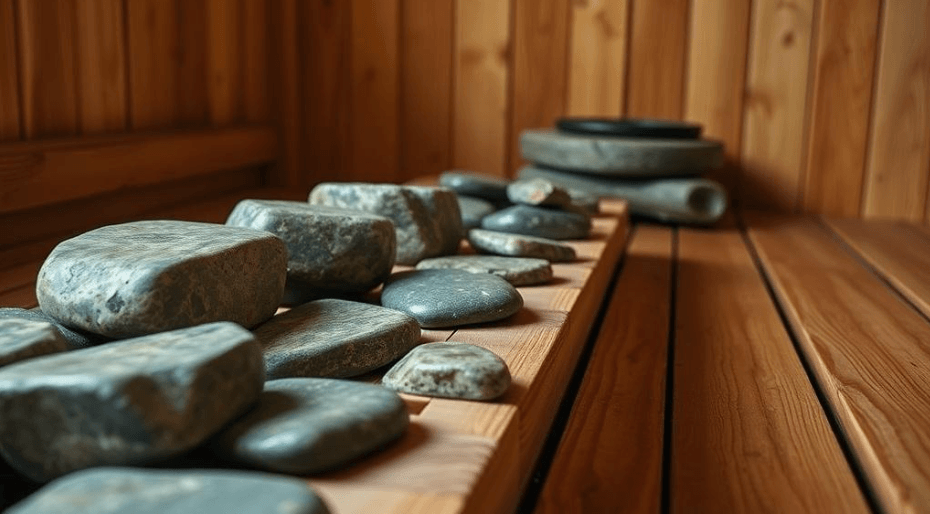
Out of the dozens of sauna accessories sold online, five earn their cost for most owners: a bucket and ladle set ($25 to $60) for adding water to the rocks, a thermometer and hygrometer combo ($15 to $40) to track heat and humidity, a headrest or backrest ($20 to $50) for longer sessions, a sauna timer or reliable built-in one, and an exterior door mat or small bench for shoes and towels. Everything past that, aromatherapy diffusers, LED lighting kits, sound systems, is nice but optional, and skipping them saves real money without hurting the core experience.
What does a bucket and ladle actually do?
Pouring water over hot rocks (loyly in Finnish tradition) is what produces the burst of humidity that makes a dry sauna feel noticeably more intense for a minute or two after each pour. A basic cedar or pine bucket and ladle set runs $25 to $60 and is close to essential for anyone with a traditional electric or wood-fired heater with exposed rocks; infrared cabins, which do not use heated rocks, do not need one at all. Buyers sometimes skip this accessory thinking it is purely decorative, then find their sauna sessions feel flatter than expected without the humidity bursts a ladle provides.
Is a thermometer and hygrometer worth buying separately?
Most modern heaters include a digital display showing temperature, and sometimes humidity, which is accurate enough for daily use. A standalone analog thermometer and hygrometer combo, usually $15 to $40, is worth adding anyway as a backup and as a second reference point, since digital sensors occasionally drift after a couple of years of heat exposure. It also gives visiting guests something simple to check without asking how the digital panel works, which matters more than it sounds like the first few times someone new uses the sauna.
Do headrests and backrests make a real difference?
For sessions under ten minutes, probably not. For the 15 to 20 minute sessions most regular users settle into, a simple wood or foam headrest, $20 to $50, meaningfully improves comfort on the upper bench where people tend to lean back against a hot wall. Cheaper foam versions need replacing every year or two as heat breaks down the material; solid wood versions cost more upfront but last the life of the sauna with occasional resanding.
What about lighting, sound, and aromatherapy add-ons?
These are genuinely optional. A dimmable LED light kit, $30 to $80, changes the mood of a session but does nothing for the physical experience. Bluetooth speaker kits rated for sauna heat and humidity run $60 to $150 and appeal to people who use the sauna as a wind-down space rather than a quiet one. Aromatherapy diffusers or scented sauna stones, often $15 to $35, add a eucalyptus or cedar scent to the steam bursts, a preference-based purchase with zero functional necessity. None of these change how the sauna heats or performs, so they are reasonable to defer until after a few months of regular use, once you know what you actually want out of the space.
The unglamorous accessory most new owners skip: exterior storage
A small bench, hook rack, or weatherproof mat right outside the door for shoes, towels, and robes solves a problem almost every new owner runs into within the first month: clutter and wet footprints collecting at the threshold. It costs $30 to $100 depending on the setup and does more for daily usability than most of the accessories marketed as sauna-specific. This is the accessory that rarely shows up on a “must-have” list but comes up constantly once people have actually lived with a sauna for a season.
Buying accessories individually versus as a bundle
Bucket and ladle sets, thermometer and hygrometer combos, and headrests are usually priced separately on most sites, and the team at SweatDecks bundles a few of them with new cabin orders, which is worth checking before buying each piece separately, since a bundled starter kit sometimes costs less than the same three items purchased one at a time from different listings.
Accessories worth skipping entirely
A few products marketed heavily to new owners are worth passing on outright. Scented sauna oils poured directly into water reservoirs can clog or damage some heater models, and manufacturers frequently void warranty coverage over exactly this kind of misuse, so check the heater manual before adding any scent product beyond stones or diffusers designed for it. Novelty sauna hats, wool caps meant to keep the head cooler during long sessions, are a niche preference item from Russian and Finnish bathing culture that most first-time buyers do not end up using past the first few tries. Neither is a waste of money for someone who already knows they want it, but neither belongs on a starter list either.
Why humidity and comfort accessories connect to the research on sauna use
A review of dry sauna bathing in Evidence-Based Complementary and Alternative Medicine notes that reported benefits track with people sustaining regular sessions of meaningful length, generally 15 minutes or more, rather than very short visits. Comfort accessories, a headrest, a reasonably humid session, a place to sit down outside without fumbling for a towel, are part of what keeps a session at that length instead of cut short from discomfort. A Mayo Clinic Proceedings review reaches a similar conclusion about consistency mattering more than any single session’s intensity. None of the accessories above are medically necessary, but the ones that make longer, more regular sessions easier are the ones worth spending on first.
Frequently Asked Questions
Do I need a thermometer and hygrometer if the sauna has a digital display?
Built-in digital displays are usually accurate enough for daily use. A separate analog thermometer and hygrometer is a low-cost backup and helps if the digital sensor ever drifts or fails.
What wood is best for a bucket and ladle set?
Cedar and pine are both common and hold up well to repeated water contact. Cedar resists mildew slightly better and costs a bit more; either is a fine choice for regular use.
Are sauna seat covers actually necessary?
They are not required, but a towel or dedicated cover protects bare skin from a hot bench and keeps sweat off the wood, which extends the time between resealing the interior.
Is a timer accessory worth buying separately?
Most heaters include a built-in timer, so a separate one is mainly useful as a backup or for tracking session length precisely if you are following a specific routine.
What is the single accessory most new owners regret not buying first?
A door mat or small bench outside the sauna for shoes and towels comes up most often, since without one, wet footprints and clutter tend to collect right at the threshold.
References
- Does the Combination of Finnish Sauna Bathing and Other Lifestyle Factors Confer Additional Health Benefits? A Review of the Evidence, Mayo Clinic Proceedings, 2023
- Clinical Effects of Regular Dry Sauna Bathing: A Systematic Review, Evidence-Based Complementary and Alternative Medicine, 2018
- Cardiovascular and Other Health Benefits of Sauna Bathing: A Review of the Evidence, Mayo Clinic Proceedings, 2018